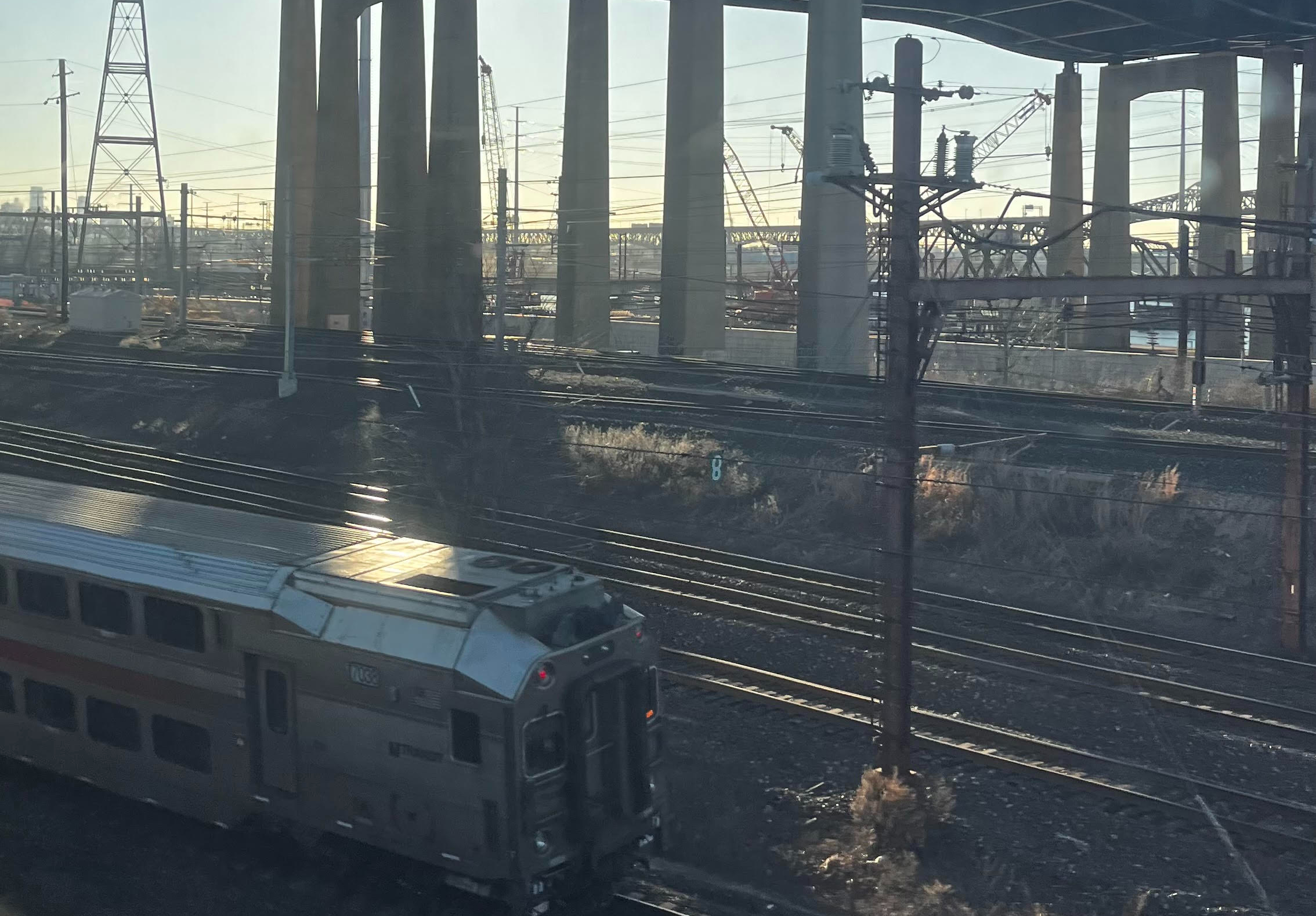
Humans swarm throughout the streets like ants in a sugar bowl, purposeful and mindlessly all at once – serving the collective purpose. I watch them make their turns and stops, some walking faster than others and others not walking at all. They are stepping through time, every step bringing them a second forward; I see through time, cobblestone paths, tar roads and all.
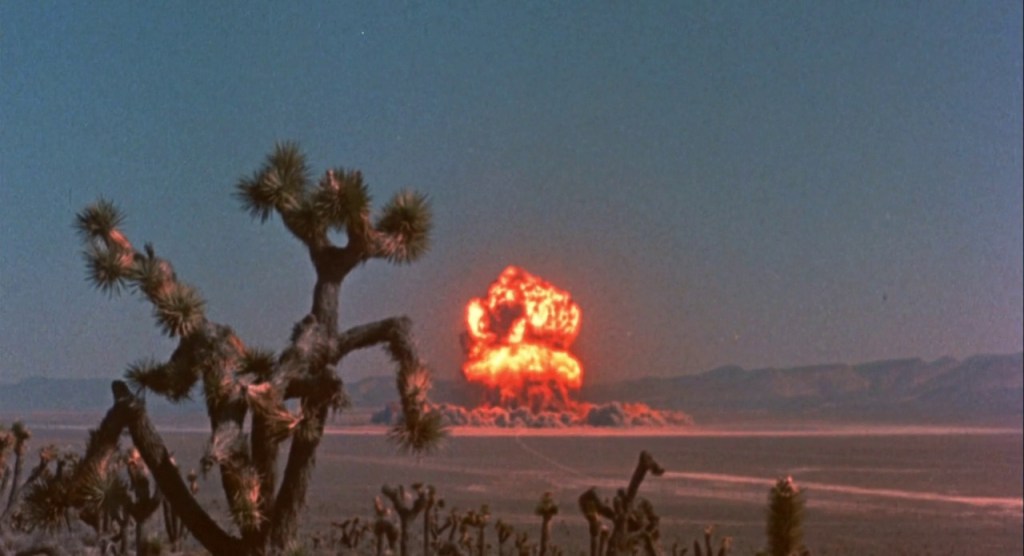
I am fascinated. I am fascinated by the disacknowledgement of a giant plateau eroding amongst these humans and the slow nuclear seeping of waste in the valleys, out of sight [to them]. Sometimes, the forgotten fight back. The Eruption of Mount Pinatubo spurts out pyroclastic flow 28 miles high. The cities are buried under 200 meters of ash.
Little chaos rumbles throughout these metropolitan areas. The trains move at hyperspeed from urbanism to the countryside. The Opera captivates people in the mezzanine, eyeballs moving in unison back and forth between the man and woman. Do they know they exist for the greater meaning?
It seems to be a working system, the same way they have built their industrial machines; within the crane there is a person. Behind the remote is a being – these systems are powered by the individual, and some individuals are more weighted than others, their footprint, larger. The system is also self-made, protection from the wilderness, from predators that grew into something more of a strict social order and a 5 day work week.
Science, the concept, the Western belief, tethers everyone together. Beyond the body, there is energy tethering the organisms together. In Islamic philosophy, it is ‘kismet’, because it incorporates matter and energy and human will into a single gesture,1 so perhaps instead of physicality, it is the intangible that moves the system.
The humans see themselves as separate from the natural world – some anti-biological being that defies the logic of nature, or more so, the laws of nature. A person in the billions of people to ever be alive said alive – this person being Stewart Brand, existing between 1938 and the mid-2000s. Humans are very much a part of the natural world, he argued, they have coevolved with it and they are duty bound to care for it. 2 Despite this notion, many unnatural problems developed – things that are only observed within human nature, and some mimicking behaviors of other species in multitudes. Follow rats into history and you find almost every conceivable problem paired with every conceivable fantasy. 3 Through this new system of yoga classes and orderly system is an unseen plague in the mind.
Unintentional hive mind is most apparent on trains; the oozing hard work and exploitation festering in the cart after a 9-5 that doesn’t need to be as hard if the previous centuries had developed some other way. Thinking oneself into progress was therefore a more refined, male, erudite, white, able bodied, bourgeois manifestation of fatigue, whereas fatigue produced from physical labor and dreamer, repetitive work was evidence of social decline… the poor get fatigued because… they are poor… the intellectual becomes fatigued as a result of becoming more civilized, more cultured, more refined.” 4 The system created, only served advantage to a specific group of people. Humans can be compared to rats, in a sense. The rats – supposedly city rats – are victims of fatigue, plagued by the system they are held under. In a natural environment, they would be revitalized. If workers were not coping with the dramatic changes brought about by the mass production they had to be fixed, put back together, tinkered with – and if this did not work and they were deemed irreparably defective, unable to adapt, they were thrown into the streets without a job. 5 Once fallen into the rabbit hole of struggle and overworking, it is extremely hard to escape – the system doesn’t want you to escape.
The development of human behavior is not something recent – it is observable from 300 BCE, to the 1500s, to the 1800s. The clouds are always moving, over the Parthenon, over the Sphinx, over the Petra. The light fills the absent corridors between the columns, engraved with religion and explanations, the sculptures, animate.6
I move back further in time: the hunter-gatherer age – a flickering flame, the start of something. The beginnings of innovation, some metamorphosis that can be traced to this point. Moving throughout wilderness and bare grassland, a simple communism overlooked their reason for being: survival. Shared endeavors and mutual dependence drove them: that was their system. Birthing agriculture brought unmoving cities to the Renaissance to the Industrial Revolution.
Throughout evolution is also creation: art work, architecture, expression. The product of humans’ creativity defined the stage of evolution they were in. Architectural drawings can be described this way:
A dome is the support of
Of the bridge -in-all-directions,
Anywhere the weathervane seated on it points.
The arch of each foot
Stands on half the dome of human balance
The start point of the arc made step our walking is,
A colonnade of landing, uplift, then falling
Forward.
…
A deceiver’s map
For flattening its curve into collapse
From cathedral grade
Line to old scratch.7
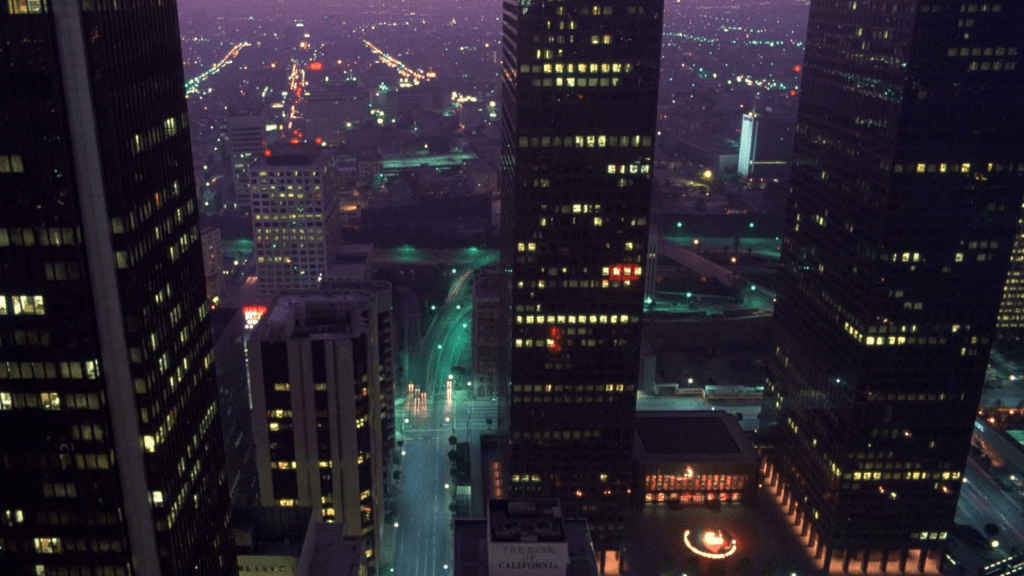
The insides of a space, something internal like the room of the Pantheon, pull the person within. The humans build these structures to find not shelter but solace and grandeur in something larger than them, even building cities of parking lots spanning miles, Tokyo skyscrapers, Greek temples that echo out – to feel miniscule is to feel connected to each other, tethered to the bigger meaning they are pawns of. 8
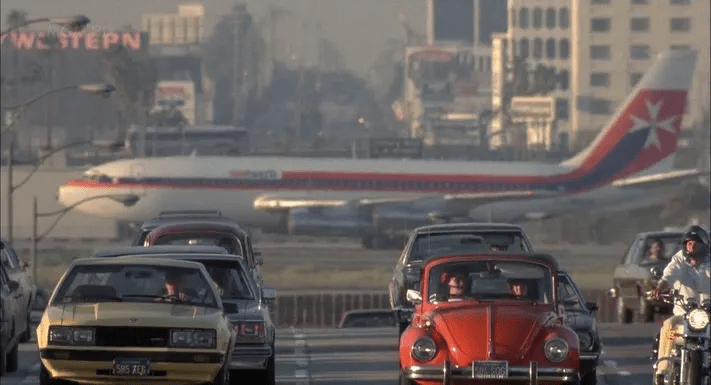
The specific person works the day and comes home in the evening; when people are returning home anxious to abandon the strain of these daytime attentions,9 they greet the other workers, the ones that don’t get off at six. The doorman. The security booth. The convenience store cashier. These people contribute to the foundations of this working system.
My observations of Earth throughout time bring me to believe that there is no greater meaning – the meaning is instilled within each person, a puzzle that can’t be neatly characterized. For most, it is the same meaning the other organisms on earth have: survival, & sometimes, just soaking in the sun.
***
1 As said by Kazim Ali, in There Are More Cells in One Human Body than There Are Stars in the Universe.
2 As stated in The Whole World : The Many Lives of Stewart Brand
3 A Little History of Fatigue, Tom Melick
4 A Little History of Fatigue, Tom Melick
5 A Little History of Fatigue, Tom Melick
6 Scenes from Chronos (1985)
7 Poem from To see the Earth Before the End of the World; #10 (Architectural drawing)
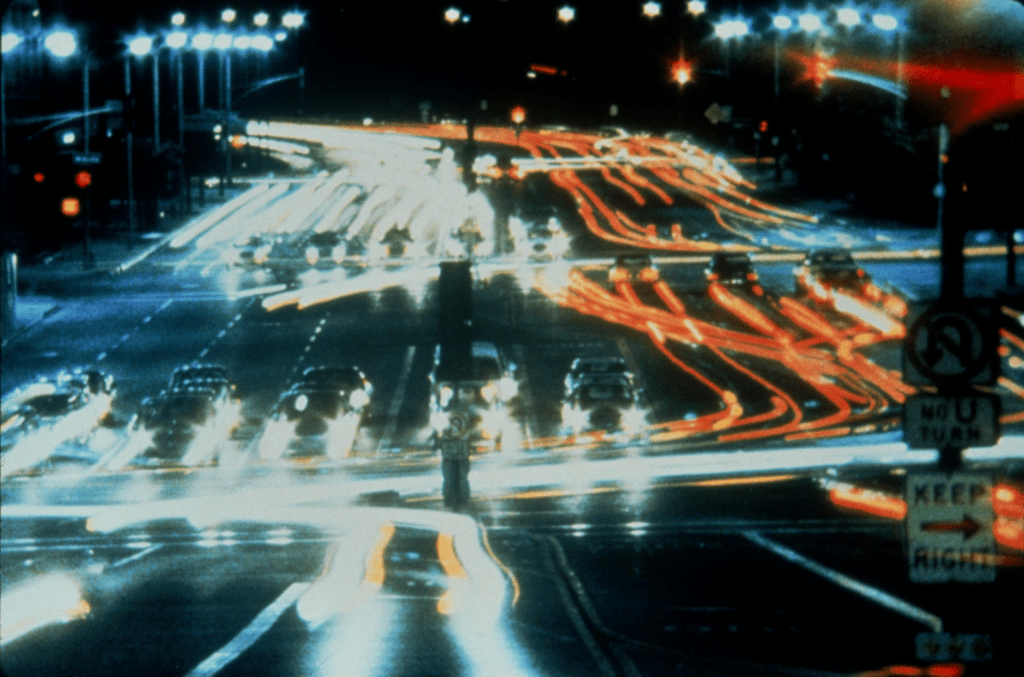
8 Scenes from Koyaanisqatsi (1982)
9 Description of a scene from To see the Earth Before the End of the World; American Jazz Quartet – In the Lobby, Not the Doorman
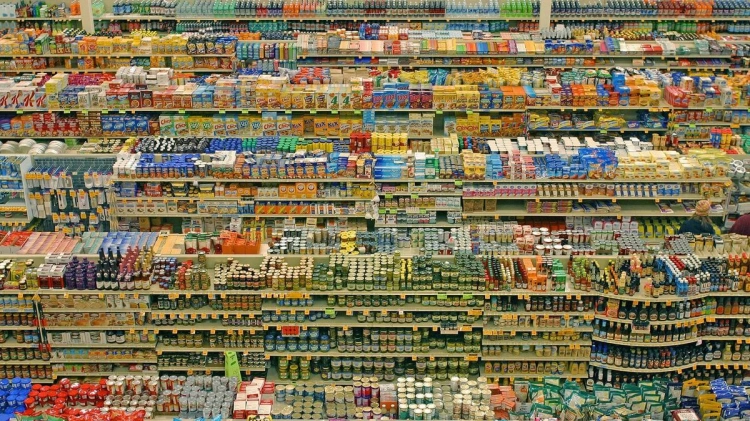
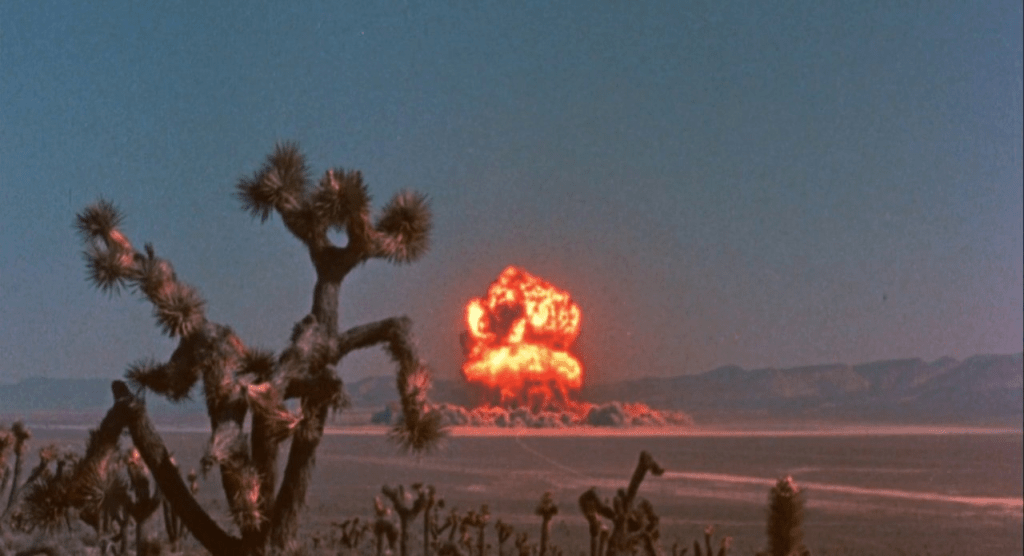
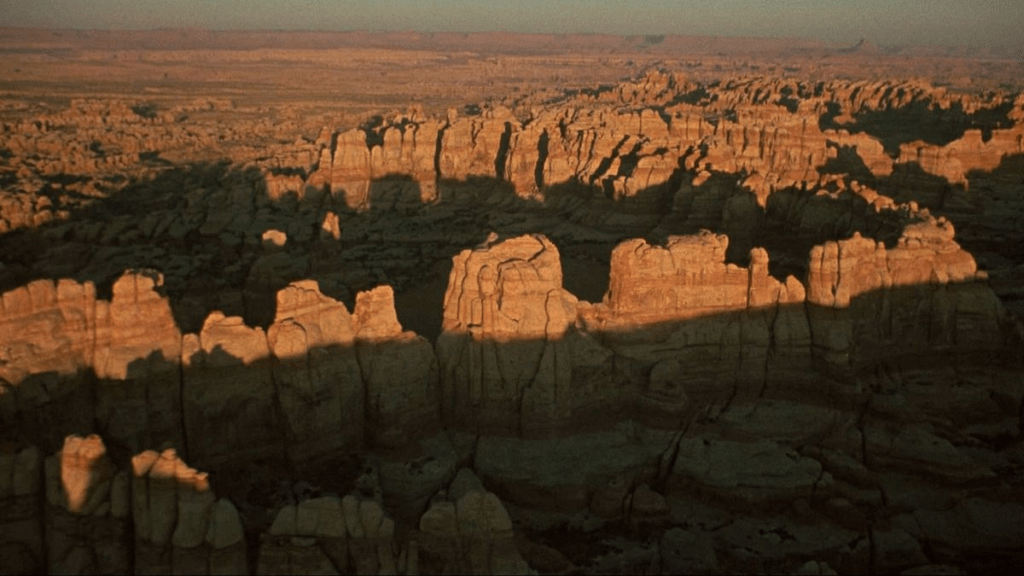
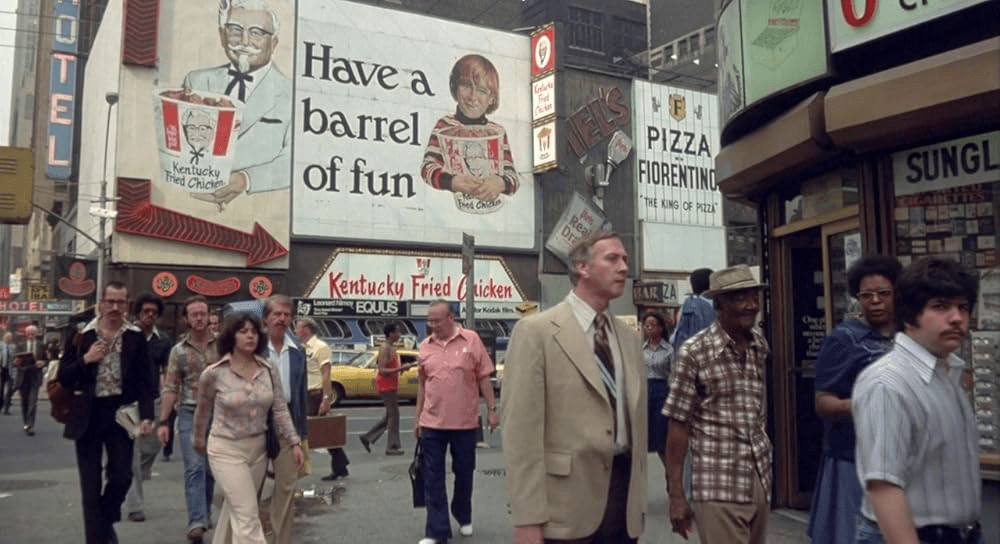
Scenes from Koyaanisqatsi

Works Cited
Ali, Kazim. “There Are More Cells in One Human Body than There Are Stars in the Universe.” Poetry Foundation, Poetry Foundation, 29 Jan. 2014,
http://www.poetryfoundation.org/harriet-books/2014/01/there-are-more-cells-in-one-human-body-than-there -are-stars-in-the-universe.
Choi, Don Mee. Translation Is a Mode=Translation Is an Anti-Neocolonial Mode. Ugly Duckling Presse, 2020.
Fricke, Ron, director. Chronos. San Diego Hall of Science , 1985.
Markoff, John. Whole Earth: The Many Lives of Stewart Brand. PENGUIN PRESS, 2022. Melick, Tom. “A Little History of Fatigue.” Rosa Press, 2020.
Roberson, Ed. To See the Earth before the End of the World. Wesleyan University Press, 2017.

 An Assortment of Not-Rights
Leave a comment